

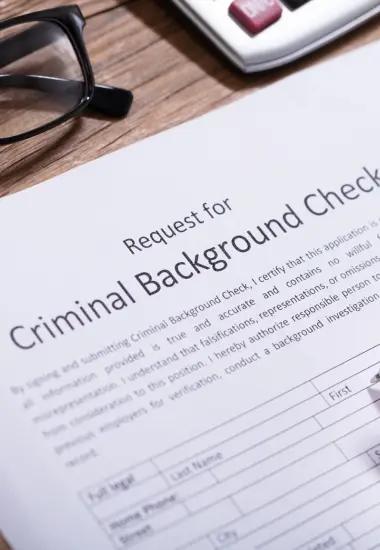
A DUI conviction can follow you for years, affecting job applications, housing, and peace of mind. If you’re wondering whether a DUI can be expunged in Montana, the answer depends on the specifics of your conviction and record.
Montana's General Expungement Eligibility Rules
Montana’s expungement process is generally available for most misdemeanor convictions, certain felony marijuana convictions under the state’s cannabis reform laws, and certain juvenile offenses. Since a first-offense DUI in Montana is a misdemeanor, it may fall within the categories of convictions eligible for expungement, depending on your full record.
What Can Make a DUI Ineligible
Montana’s expungement eligibility generally excludes serious violent felonies, sexual offenses, and repeat offenses. A DUI charged or elevated to a felony, such as a third offense, may fall outside what the process is designed to cover, so it’s important to have your specific conviction reviewed.
The Five-Year Clean Record Requirement
To be eligible for expungement in Montana, you generally need no pending criminal charges and no new convictions in Montana or elsewhere for 5 years after completing your sentence, including paying all fines and completing any court-ordered treatment. This requirement applies to a DUI conviction the same as any other eligible offense.
The One-Time Rule
Montana’s expungement process can only be used once in a lifetime. You can petition to expunge all eligible misdemeanors, including a qualifying DUI, at the same time, but you only get one opportunity overall, which makes it important to get the process right the first time.
How the Process Works
- A petition is filed in Montana District Court
- Your attorney notifies the prosecutor of the petition
- The prosecutor may notify any victims of the offense
- The court reviews the petition and decides whether to approve it
- If approved, fingerprints, the signed court order, and required forms are submitted to the CRISS office in Helena
- Once processed, the record is officially cleared, typically within 30 days of that final step
How Long the Overall Process Takes
The full expungement process in Montana typically takes about 30 to 90 days depending on court schedules and case complexity, though a DUI-specific case can vary based on the details of your record.
What Expungement Means for Your DUI Record
Once expunged, the conviction is erased or sealed from public view. You can generally state you have not been convicted of that offense in most situations, such as job or housing applications, and the record is cleared from most background-check databases.
Get Your DUI Reviewed for Eligibility
Because eligibility depends heavily on the specifics of your DUI conviction and overall criminal history, it’s worth having an attorney review your record before assuming a DUI can or can’t be expunged.
Why Full Compliance With Your Sentence Matters
Before the 5-year clock even starts running, you generally need to have fully completed every part of your sentence, including paying all fines, court costs, and restitution, and finishing any required treatment or education programs. An outstanding balance or an incomplete treatment requirement can delay eligibility even years after the conviction itself, so it’s worth confirming that every condition of your sentence has actually been closed out before assuming you qualify.
What Your Full Record Includes
Montana’s eligibility review doesn’t look only at the DUI itself, but at your record as a whole, both within Montana and in other states. A separate, unrelated conviction anywhere during the 5-year window can affect your eligibility, which is why a full and honest review of your entire criminal history, not just the DUI, is an important first step before filing.
Preparing Before You File
Because Montana’s expungement process can only be used once, it’s worth taking time before filing to confirm every eligible offense on your record, gather documentation showing your sentence was fully completed, and make sure there are no pending charges anywhere that could derail the petition. Rushing this preparation is one of the most common ways people run into avoidable delays or denials.
What Happens If the Petition Is Denied
If a court denies an expungement petition, the reasons for that denial matter a great deal for what comes next, since some issues, like an incomplete fine payment, can potentially be corrected and the petition refiled, while others may reflect a more fundamental eligibility problem. Understanding exactly why a petition was denied is an important step before deciding whether and how to move forward again.
Why Legal Guidance Helps With a DUI Specifically
DUI records can involve extra layers, such as related driver’s license suspension actions or administrative proceedings with the state, that don’t always show up clearly in a basic criminal history search. An attorney familiar with both the criminal and administrative sides of a DUI can help make sure the expungement petition accounts for the full picture of your record, not just the court conviction itself.
Moving Forward With Confidence
A cleared DUI record can open doors that felt closed for years, whether that means a job application that no longer raises red flags, an easier path to housing, or simply peace of mind. Taking the first step of having your record reviewed costs nothing and can clarify exactly where you stand.
Talk to Big Sky Defender Today
If you’re wondering whether your Montana DUI conviction can be expunged, Big Sky Defender offers flexible payment plans for expungement matters and a free consultation to review your eligibility. Call (406) 552-4653 or visit /contact-us/ to get started.
Frequently Asked Questions
Not necessarily. Eligibility depends on whether the offense was a misdemeanor, your overall criminal history, and whether you meet the 5-year clean record requirement.
Montana’s expungement process generally excludes serious violent felonies and repeat offenses, so a felony-level DUI may fall outside eligibility depending on the circumstances.
Only once in a lifetime, though you can petition to expunge all eligible offenses, including a qualifying DUI, in a single petition.
The overall process typically takes about 30 to 90 days, depending on court schedules and case complexity.