

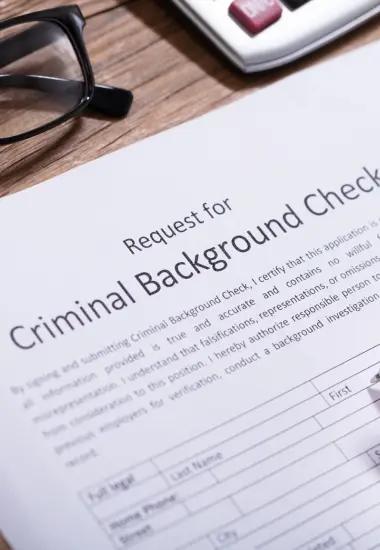
People often use the terms expungement and record sealing interchangeably, but understanding exactly what happens to your record in Montana can help set realistic expectations about what the process will actually do for you.
What Expungement Means in Montana
In Montana, the expungement process results in a conviction being erased or sealed from public view once completed. This means the record is no longer visible in most standard background checks, and you can generally state you have not been convicted of that offense in most situations, such as job or housing applications.
Who Is Eligible
Montana’s expungement process is generally available for most misdemeanor convictions, certain felony marijuana convictions under the state’s cannabis reform laws, and certain juvenile offenses. It generally excludes serious violent felonies, sexual offenses, and repeat offenses.
The Process Behind the Result
Achieving that cleared record involves filing a petition in Montana District Court, having the prosecutor notified (who may then notify any victims), and having the court review and approve the petition. Once approved, fingerprints, the signed court order, and required forms are submitted to the CRISS office in Helena, and the record is cleared, typically within 30 days of that final step.
What Stays the Same Regardless of Terminology
- You need no pending criminal charges to be eligible
- You need no new convictions for 5 years after completing your sentence
- The process can only be used once in a lifetime
- Serious violent felonies and sexual offenses generally remain ineligible
Does This Mean the Record Is Completely Gone?
Once expunged, the record is cleared from most background-check databases and public view. This is why the practical effect of Montana’s process functions similarly to what people commonly describe as record sealing in other contexts, even though Montana’s statute uses the term expungement.
Why the Terminology Confusion Happens
Different states use different terms and processes for clearing criminal records, and some distinguish between full expungement, which destroys records, and sealing, which hides them from public view but keeps them accessible to certain agencies. Understanding how Montana’s specific process works, rather than relying on general assumptions from other states, is important for setting the right expectations.
Getting Clear Answers for Your Situation
Because the terminology can be confusing, and because you only get one opportunity to use Montana’s process, it’s worth having an attorney explain exactly what will happen to your specific record before you file a petition.
What Doesn't Change After the Process Is Complete
Even after a record is cleared, certain government agencies and licensing boards may still retain access to it for specific, limited purposes, such as future criminal justice proceedings or particular professional licensing decisions. Understanding these limited exceptions upfront helps set realistic expectations, rather than assuming the record disappears in every context without exception.
Why People Search for Both Terms
Because so many people search online using whichever term they’ve encountered before, whether from a friend’s experience, a television drama, or research into another state’s laws, it’s common to see both expungement and record sealing used when people are really describing the same underlying goal: no longer having a past conviction control their present opportunities and daily life.
Why the Specific Language in Your Petition Matters
Because the practical effect of Montana’s process depends on the details of your specific conviction and how the petition is drafted, the language used in a petition and supporting documents can matter more than people expect. A well-prepared petition helps ensure the court and CRISS office in Helena have exactly what they need to process your case correctly the first time, without unnecessary delays or requests for additional information.
Comparing Montana to What You May Have Heard About Other States
If you’ve researched record clearing in another state before moving to Montana, or heard about a friend or family member’s experience elsewhere, it’s important not to assume that process works the same way here. Eligibility categories, waiting periods, and the specific effect on your record can all differ meaningfully from state to state, which is exactly why a Montana-specific review matters before you file anything.
Taking the First Step
Whatever term brought you here, whether you were searching for expungement or record sealing, the practical question is the same: does your record qualify, and what would clearing it actually mean for your day-to-day life. A straightforward conversation with an attorney can answer both questions clearly, without cost or obligation on your part.
Common Misconceptions Worth Clearing Up
Some people assume that simply waiting long enough will cause an old conviction to disappear on its own, or that a record automatically clears once probation ends. Neither is accurate under Montana law. Without a formal petition and court order, a conviction generally remains part of your public record indefinitely, no matter how much time has passed since the sentence was completed.
Why Acting Sooner Rather Than Later Helps
Because gathering court records, proof of completed sentence conditions, and other supporting documentation can take time, especially for an older case, starting the process well before you actually need the cleared record, such as before a job application deadline, gives you a much more comfortable margin than waiting until the need becomes urgent.
Talk to Big Sky Defender Today
If you have questions about expungement or record clearing in Montana, Big Sky Defender offers flexible payment plans for expungement matters and a free consultation to review your eligibility. Call (406) 552-4653 or visit /contact-us/ to get started.
Frequently Asked Questions
Montana’s process is called expungement, and it results in a conviction being erased or sealed from public view, which functions similarly to what other states sometimes call record sealing.
Once expunged, the record is cleared from most background-check databases and public view, though it’s worth discussing your specific situation with an attorney for full clarity.
No. The process can only be used once in a lifetime, though you can petition to expunge all eligible offenses in a single petition.
Serious violent felonies, sexual offenses, and repeat offenses generally do not qualify for expungement under Montana law.